


Support for Autistic people to achieve employment goals
Everyone experiences autism differently. That's why we focus on understanding your strengths, interests and goals to provide support that works for you.
If you're Autistic, or have an autism diagnosis and want support to prepare for, find or keep a job, APM can help. We'll work with you to build confidence, develop skills and find employment that matches your interests and abilities.
In the last year, APM supported 2,936 Autistic people to prepare for, find or stay in work.
Are you eligible for Inclusive Employment Australia?
You may be able to access Inclusive Employment Australia if you:
- Have a disability, injury or health condition
- Are aged 14 to 67
- Are legally able to work in Australia
- Need support to prepare for, find or keep a job
You don't need to receive Centrelink payments to participate. Some people can register directly with APM. Other eligibility criteria may apply
Understanding autism and employment
Autism is a lifelong neurodevelopmental difference that affects people in different ways. Many Autistic people bring valuable skills and strengths to the workplace, including attention to detail, reliability, creativity, specialist knowledge and problem-solving skills.
In Australia:
- Around 1 in 40 Australians are estimated to be Autistic, or approximately 675,000 people.
- The workforce participation rate for Autistic people is significantly lower than for the broader population.
- Many Autistic people want to work but may benefit from personalised employment support and inclusive workplaces.
Sources
How Inclusive Employment Australia can help
Everyone's employment journey is different. We'll work with you to identify your strengths, skills and goals.
Personalised employment support
We'll take time to understand your interests, abilities and employment goals to develop a plan that suits you.
Build skills and confidence
Get support with:
- Resumes and job applications
- Interview preparation
- Workplace communication
- Confidence building
- Career planning
Find and keep the right job
We'll help connect you with employers and continue supporting you after you start work.
How autism may affect employment
Every person is different, but some Autistic people may experience challenges with:
- Changes to routine
- Social communication in workplaces
- Interviews and recruitment processes
- Sensory environments such as noise, lighting or busy workplaces
- Managing anxiety or stress
At the same time, many Autistic people bring valuable strengths to employers, including:
- Attention to detail
- Strong focus and concentration
- Reliability
- Excellent memory
- Specialist interests and expertise
- Problem-solving skills
We focus on your strengths
We understand that every Autistic person is unique.
Our consultants work with you to understand your strengths, interests, preferred ways of communicating and workplace needs, so we can help you achieve your employment goals.
What happens when you register?
1. Contact APM
Register online or speak with our team.
2. Meet your employment consultant
We'll discuss your goals, strengths, interests and support needs.
3. Create your employment plan
Together we'll identify supports, training and opportunities that can help you achieve your goals.
4. Start your employment journey
We'll help you build skills, connect with employers and move towards sustainable employment.
Support before and after work
Preparing for employment
Get support with resumes, applications, interview preparation and workplace readiness.
Training and skill development
You may be able to access training, qualifications, work experience or other activities that support your goals.
Workplace adjustments and support
We can help identify workplace adjustments and strategies that support success at work.
Ongoing support
After you start work, we can continue supporting both you and your employer.
The language we use when talking about Autism
Different people prefer different language when talking about autism.
Some people prefer "Autistic person" (identity-first language), while others prefer "person with autism" (person-first language). Some people are comfortable with either.
At APM our language style is usually a person-first approach, which emphasises the individual over their disability.
For example, we refer to "people with disability" rather than "disabled people," acknowledging disability is just one aspect of a person's identity.
However, we are mindful of using identity-first language when it is preferred, particularly in the case of Autism.
Many people within the autism community prefer identity-focused language, such as "Autistic person," as it reflects their pride and identity within the autistic community.
This is consistent with the Australian Government’s language in the National Autism Strategy. And is supported by leading Autism organisations including: Amaze, Aspect, Autism CRC, and Early Start Australia.
Through our person-first approach and sensitivity to identity-focused language, we strive to foster a culture of acceptance and understanding for all.
Autism support organisations and resources
These organisations provide information, resources and support for Autistic people and their families.
National Autism Strategy
Australia's national approach to improving outcomes for Autistic people.
Autism Connect
A free national helpline providing independent autism information and support.
Autism Spectrum Australia (Aspect)
Information, services, education and support for Autistic people and their families.
Amaze
Resources, information and support for Autistic people, families and supporters.
Australian Advisory Board on Autism
The national peak body representing Autistic people, families, carers and supporters.
Autism CRC
Research, resources and practical information about autism in Australia.
Caley's story
Living with autism and cerebral palsy, Caley found support to build confidence and work towards employment goals.

Alexander's story
Alexander's lived experience helped him secure a role where he could use his strengths to support others.
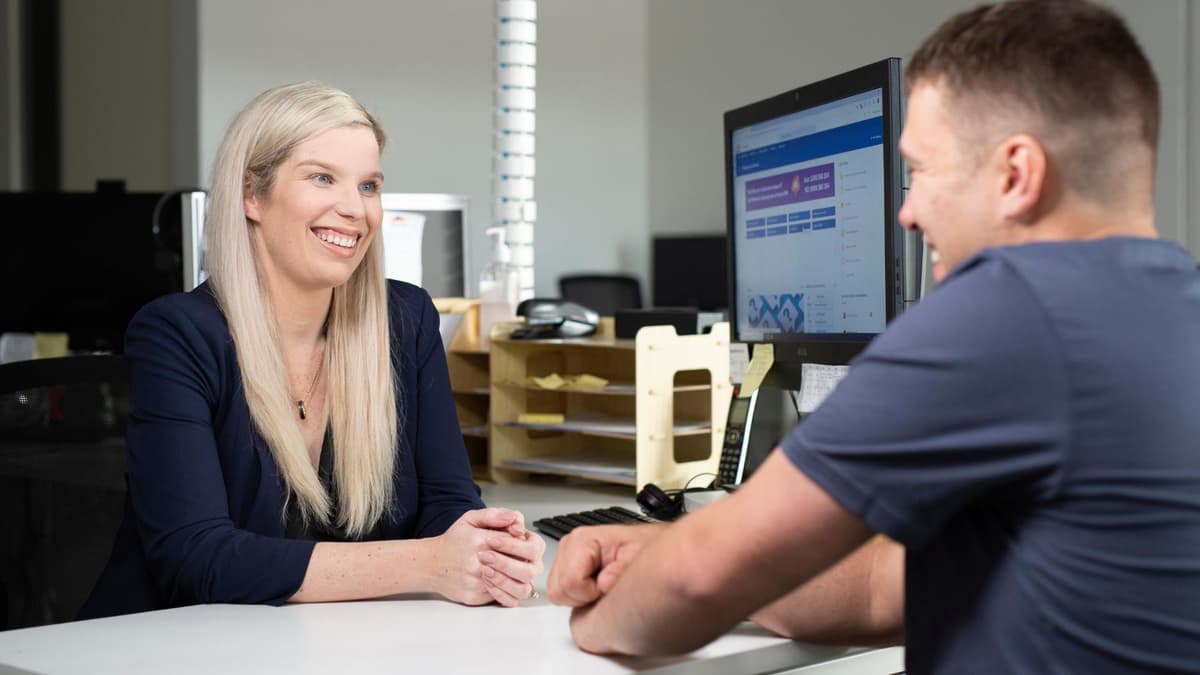
Jarryd's story
Jarryd proved that autism is not a barrier to finding meaningful work and building a career.

Frequently Asked Questions
Ready to take the next step?
Whether you're looking for your first job, returning to work or exploring new opportunities, find out if APM can help you move towards meaningful employment.