
What is diabetes? Types, causes, and what it means for your day
Diabetes beyond the diagnosis
- Diabetes is a condition where your body can't properly manage blood glucose. It affects more than 1.5 million registered Australians, and the real number is likely higher.
- Type 1 is autoimmune. Type 2 involves insulin resistance. Both are real, both are manageable, and neither is anyone's fault.
- Diabetes can affect your energy, concentration, and daily routine, but with the right support, these things are manageable at work and at home.
- If diabetes makes it harder for you to find or keep a job, you may be eligible for Inclusive Employment Australia (IEA), a free Australian Government program delivered by providers like APM.
[Disclaimer: The information contained in this article is for educational and informational purposes only and is not intended as health or medical advice. Always consult a physician or other qualified health provider regarding any questions you may have about a medical condition or health objectives.]
Most people have heard of diabetes, but few could explain it clearly. You might know it involves blood sugar levels. You might associate it with insulin or dietary changes.
But the full picture is muddled by myths, outdated assumptions, and well-meaning advice that doesn't quite land.
So what is diabetes, actually? And if you're living with it, what does that mean for your work and the support you can access?
What happens in your body
Your body turns food into glucose, a type of sugar that your cells use for energy. To get that glucose from your blood into your cells, you need a hormone called insulin. Your pancreas makes it.
In diabetes, that process breaks down. Either your body stops making insulin, doesn't make enough of it, or the insulin it does make can't do its job properly. Glucose builds up in your blood instead of reaching your cells. Over time, that can damage your heart, kidneys, eyes, nerves, and feet.
Type 1 and type 2, explained
The two main types of diabetes work quite differently, and the difference shapes how each one is managed day to day.
Type 1 diabetes
In type 1, the immune system attacks the cells in the pancreas that produce insulin. Once destroyed, the body can't make its own insulin at all. People with type 1 need insulin every day, through injections or a pump, for life.
Type 1 is autoimmune. It can't be prevented, and it isn't caused by diet, weight, or lifestyle. The idea that it only affects children is a common misconception. More than 89% of Australians living with type 1 are adults.
Type 2 diabetes
In type 2, the body still makes insulin, but either doesn't produce enough or can't use it effectively. This is called insulin resistance. Type 2 usually develops over time and is managed initially through healthy eating, physical activity, and medication. Some people with type 2 eventually need insulin as the condition progresses.
Risk factors include family history, age, physical inactivity, and certain medical conditions. Some population groups also have a higher risk, including Aboriginal and Torres Strait Islander peoples and people from South Asian, Chinese, and Pacific Islander backgrounds.
Other types worth knowing about
Type 1 and type 2 account for the vast majority of cases. Among registered Australians, about 87% have type 2 and roughly 9% have type 1. The remaining registrations include gestational diabetes, which develops during pregnancy and usually resolves after birth. Rarer forms like LADA (sometimes called type 1.5) and type 3c also exist.
If you've been diagnosed with any type, the same support options apply to you.

Causes and risk factors
It's worth being direct about something: diabetes is nobody's fault. That applies regardless of type, and regardless of what anyone else might assume.
Type 1 is autoimmune. There's nothing you could have done differently, and sugar doesn't cause it. Type 2 has a more complex set of risk factors, including genetics, age, and inactivity.
Losing weight and staying active can help prevent type 2 diabetes or delay it for some people. But the picture is rarely as simple as "lifestyle choices." Family history, medications, and other conditions all play a role.
Up to 80% of people with diabetes have felt blamed or shamed for their condition. More than a quarter said that stigma was affecting their mental health. That kind of blame is not just unfair. It can stop people from seeking the help and support they need.
If you've experienced that, you're not imagining it. And it says more about the misconception than it does about you.
How diabetes can affect your day
Everyone's experience is different, but there are common patterns that people with diabetes recognise. These aren't barriers. They're simply part of living with the condition, and most are manageable with the right approach.
Energy and fatigue
Blood glucose that swings too high or too low can leave you feeling drained. High blood glucose can cause tiredness, thirst, and difficulty concentrating. Low blood glucose can cause shakiness, confusion, and sudden exhaustion. For many people, these fluctuations are a daily reality.
Concentration and mental clarity
When your blood glucose is outside its target range, your brain feels it. Difficulty focusing, brain fog, and slower thinking are all common. These tend to pass once levels stabilise, but they can make a long meeting or a detailed task harder than it needs to be.
The daily routine of self-management
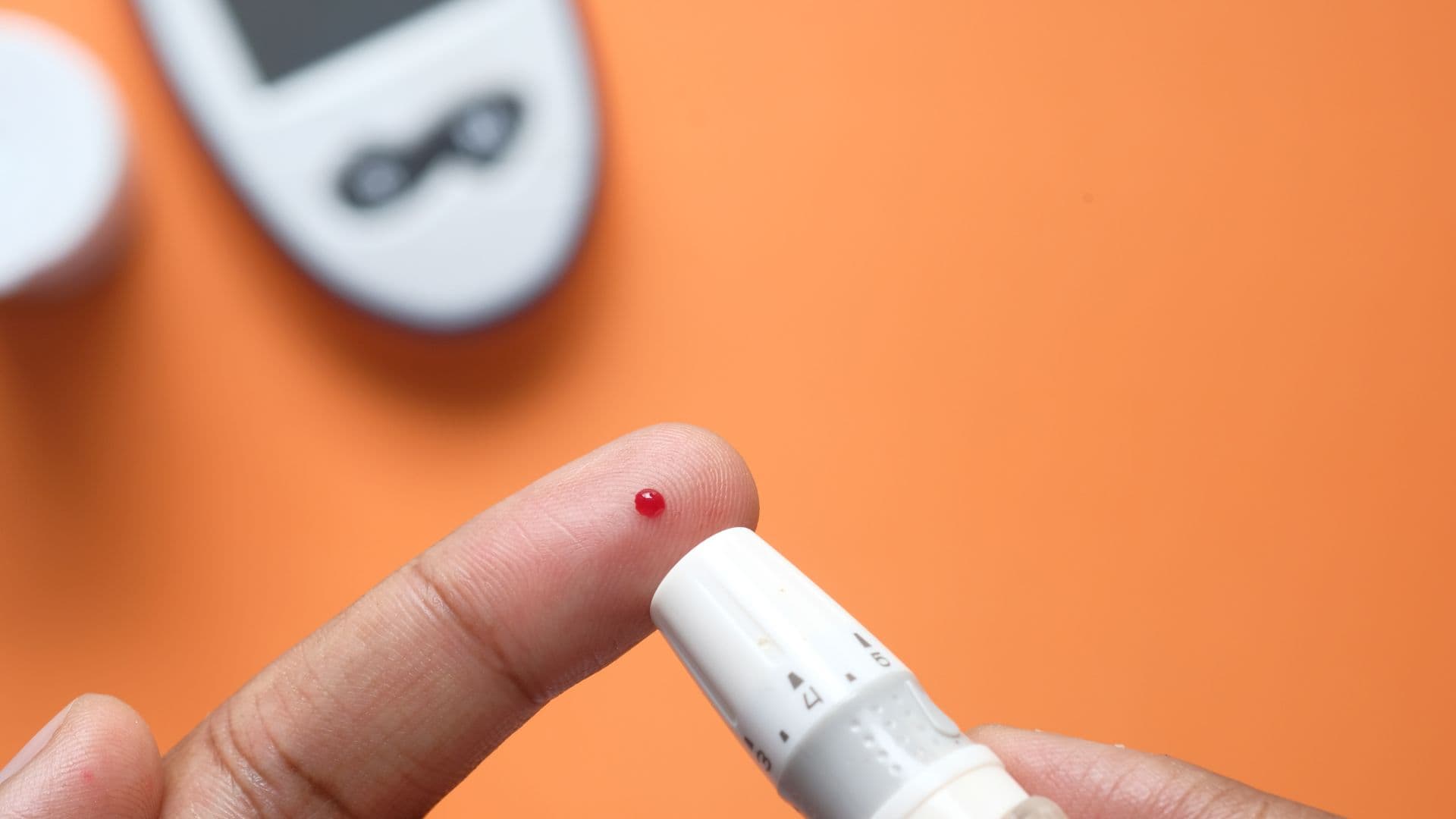
Managing diabetes asks a lot of you, every single day. Monitoring blood glucose, timing meals and medication, attending appointments, and adjusting for exercise and stress all sit alongside everything else in your life. Whether you use a finger-prick test or a continuous glucose monitor, there's always something to keep track of.
Sleep and mental health
Poor sleep is something many people with diabetes deal with, and broken sleep feeds straight into daytime fatigue. There's also a real emotional weight. Diabetes distress, the toll of managing a chronic condition, affects a significant number of people. Left unaddressed, it can become burnout.
If that sounds familiar, speaking to your GP about a Mental Health Treatment Plan is a good first step. You can also call Beyond Blue on 1300 22 4636 or Lifeline on 13 11 14.

Diabetes and your rights at work
You might not think of diabetes as a condition that's covered by workplace protections, but it is. Under the Disability Discrimination Act 1992, it's unlawful for an employer to discriminate against someone because of a disability, injury, or health condition. Diabetes falls squarely within that definition.
That means if you can perform the core requirements of a job, you're entitled to an equal opportunity to do it. And your employer has an obligation to consider reasonable adjustments that help you manage your condition at work.
What reasonable adjustments look like
These don't have to be complicated. For someone with diabetes, common adjustments include flexibility with break times so you can eat, check your glucose, or take medication when you need to. Access to a fridge for insulin storage. A private, clean space to monitor blood glucose or administer an injection. Flexibility around shift patterns and appointment scheduling.
Many of these adjustments cost nothing at all. They just require a conversation and a bit of planning.
Disclosure is your choice
In most situations, you don't have to tell your employer you have diabetes. Disclosure is a personal decision. That said, if your role involves driving a company vehicle or operating machinery, disclosure is important.
The same applies to any role where a hypoglycaemic episode could be a safety risk. It's also worth considering if the adjustments you need would be easier to arrange with your manager's knowledge.
A note on driving and safety-critical roles
People with diabetes can and do hold driver's licences and work safely in physical roles. The main consideration is hypoglycaemia while driving. The general rule is to check your blood glucose before you drive and make sure it's above 5 mmol/L. Commercial drivers on insulin usually need specialist assessment and periodic review.
Employment support if you have diabetes
This is the part many people don't know about. If diabetes affects your ability to find or keep a job, you may be eligible for free employment support. The program is called Inclusive Employment Australia, and it's funded by the Australian Government.
IEA replaced the former Disability Employment Services program in November 2025. It helps people with a disability, injury, or health condition prepare for, find, and keep a job. There's no fixed time limit on support and no cost to you. You're matched with a dedicated employment consultant who works with you one-on-one.
Is diabetes covered?
Yes. Diabetes is explicitly listed as a supported condition through APM. In the most recent reporting year, more than 1,200 people with diabetes chose APM for support. IEA doesn't require a specific diagnosis to be on a list. What matters is whether your condition affects your capacity to work. If diabetes makes it harder for you to get or hold a job, that's exactly what the program is designed to help with.
What support looks like in practice
Your employment consultant gets to know you, your goals, and what diabetes means for your working life. Together, you build a plan that accounts for break routines, energy management, and the kind of roles that suit your needs. That might include help with your resume, interview preparation, or identifying employers who offer flexible scheduling. It could also mean working out which adjustments to ask for before you start.
The support doesn't stop at placement. APM can continue working with you and your employer after you start to make sure things are going well.
How to find out if you're eligible
Eligibility for IEA is assessed through an Employment Services Assessment (ESAt), which looks at how your condition affects your ability to work.
You can be referred through Centrelink, or you can register directly with APM to get the process started. You don't need to be receiving government payments to take part.
To check your eligibility or ask questions, call APM on 1800 276 276 or visit apm.net.au/iea.
About this article
APM supports people with disability, injury, or a health condition through various programs and services across its businesses, including Inclusive Employment Australia.
When discussing disability, APM's copy style is to use person-first language and the social model of disability in the first instance. Some articles may use identity-first language or refer to the medical model of disability for clarity or to better suit a specific audience.
If you have any questions or feedback about the content of this article, visit our Feedback page to get in touch or email support@apm.net.au.
Frequently asked questions
Is diabetes considered a disability in Australia?
Diabetes is covered under the Disability Discrimination Act 1992 as a medical condition. That means you have legal protections against discrimination in employment and other areas of public life, and your employer must consider reasonable adjustments.
Can I work full time with diabetes?
Many people with diabetes work full time across every industry. The key is finding a role and a routine that give you the flexibility to manage your health alongside your work.
What if my employer won't make adjustments?
An employer can decline a specific adjustment if it would cause unjustifiable hardship, but that's a high bar. If you've been refused adjustments and feel it's unfair, you can contact the Australian Human Rights Commission on 1300 656 419 to discuss your options.
Do I need insulin if I have type 2 diabetes?
Not necessarily, and not at the start. Many people with type 2 manage their condition with medication, healthy eating, and physical activity. Some people do eventually need insulin as type 2 progresses, and that's a normal part of how the condition works.