Skipped to main content

Who is eligible for the Disability Support Pension?

Find out if you may be eligible for financial support if a disability, injury, or a health condition affects your ability to work.

If you’re living with a long-term disability, injury, or a health condition that makes it hard to work, there may be financial support available to help you manage day to day.

The Disability Support Pension (DSP) is one form of income support provided by the Australian Government. However, not everyone with a disability or medical condition will qualify.

This guide explains eligibility for disability pension, including non-medical and medical rules, how assessments work, and what options you may have if you don’t meet the criteria.

Two people smiling with their arms around each other on an outdoor basketball court.

Summary: Eligibility for disability pension

  • To be eligible for the Disability Support Pension, you must meet both non-medical and medical criteria.

  • Non-medical criteria include age, residency, income, and assets.

  • Medical criteria focus on how your condition affects your ability to function and work, not just your diagnosis.

  • Most people must meet the general medical rules, including an impairment assessment using the Impairment Tables.

  • If you don’t meet DSP criteria, other payments, support programs, or employment services may still be available.


Who is eligible for the Disability Support Pension?

The Disability Support Pension (DSP) is designed for people with a permanent physical, intellectual, or psychiatric condition that significantly limits their ability to work.

To qualify, you must meet both:

  • Non-medical rules, and

  • Medical rules.

Meeting one set of criteria alone is not enough.


Non-medical eligibility criteria

According to Services Australia, you must meet all non-medical requirements to be eligible for disability pension.


Age

You must be:

  • At least 16 years old, and

  • Under Age Pension age (currently 67).

You can apply for DSP up to 13 weeks before turning 16, but payments will not start until your 16th birthday.

Example: If you’re 45 years old and meet all other eligibility rules, your age would not prevent you from qualifying.


Residency requirements

In most cases, you must:

  • Be an Australian resident, and

  • Have lived in Australia for at least 10 years in total.

There are exceptions, including if:

  • You’re a refugee or former refugee.

  • You became unable to work while living in Australia.

  • You were a dependent child of an Australian resident when your condition began.

Residency rules can be complex, so it’s important to check your individual circumstances with Services Australia.


Income test

You may still qualify for DSP if you or your partner earns income, but income limits apply.

If your income is above certain thresholds:

  • Your DSP payment may be reduced, or

  • You may not receive a payment at all.

Income includes wages, business income, and some other payments.


Assets test

You can own assets and still be eligible for disability pension, but limits apply.

Assets may include:

  • Savings and investments.

  • Property (other than your primary home).

  • Vehicles and valuable items.

If your assets exceed the threshold, your DSP payment may be reduced or affected.


Medical eligibility criteria

To meet the medical requirements for DSP, Services Australia assesses you under either the:


Manifest medical rules

You may automatically meet the medical criteria if certain serious conditions apply, such as if you:

  • Are permanently blind.

  • Have an intellectual disability with an IQ below 70.

  • Require nursing home-level care.

  • Have a terminal illness with a life expectancy of less than two years.

  • Receive a Department of Veterans’ Affairs Disability Compensation Payment at the Special Rate.

If these rules apply, you may not need to meet impairment rating or Program of Support requirements.


General medical rules

Most people apply under the general medical rules. To meet these, Services Australia must be satisfied that:

  • Your condition is fully diagnosed, treated, and stabilised.

  • Your condition will prevent you from working at least 15 hours per week within the next two years, even with support.

  • Your condition results in an impairment rating of 20 points or more under the Impairment Tables.

  • You meet Program of Support requirements, if applicable.

Person using a wheelchair speaking with two people during a meeting in an office setting.

Understanding functional impact and impairment ratings

DSP eligibility is based on functional impact, not diagnosis alone.

Services Australia uses the Impairment Tables to assess:

  • How your condition affects daily activities.

  • How it limits your ability to work or retrain.

  • Whether these impacts are ongoing.

Each table relates to a different area of function, such as physical, mental health, or intellectual functioning.

You usually need to score 20 points or more, often from a single impairment table, to meet the general medical rules.

Example: Two people may have the same diagnosis, but receive different impairment ratings depending on how much their condition limits daily function and work capacity.


Program of Support requirements

If you don’t meet the 20-point impairment requirement, you may need to complete a Program of Support (POS).

A Program of Support helps people with disability, injury, or a health condition:

  • Prepare for work.

  • Explore suitable job options.

  • Build skills and confidence.

In most cases, you must have actively participated in a Program of Support for 18 months within the past three years.

You may not need to complete a POS if:

  • You meet the manifest medical rules, or

  • You score 20 points or more on a single impairment table.

Inclusive Employment Australia, delivered by APM, provides Program of Support services across Australia.


Assessments you may be asked to attend


Job Capacity Assessment

Services Australia may arrange a Job Capacity Assessment to understand how your condition affects your ability to work.

This assessment may look at:

  • Medical evidence.

  • Functional limitations.

  • Work history and rehabilitation.

  • Support or equipment you use.


Disability Medical Assessment

Some people applying under the general medical rules may also be asked to attend a Disability Medical Assessment, conducted by a government-contracted health professional.

This assessment helps confirm impairment ratings and functional impact.


What happens if you don’t meet DSP eligibility?

If you aren’t eligible for the Disability Support Pension, you still have options.

You may be able to:

  • Request a review or appeal of the decision.

  • Access other payments such as JobSeeker or supplements.

  • Get support through employment or community programs.

Some people may also receive support through:

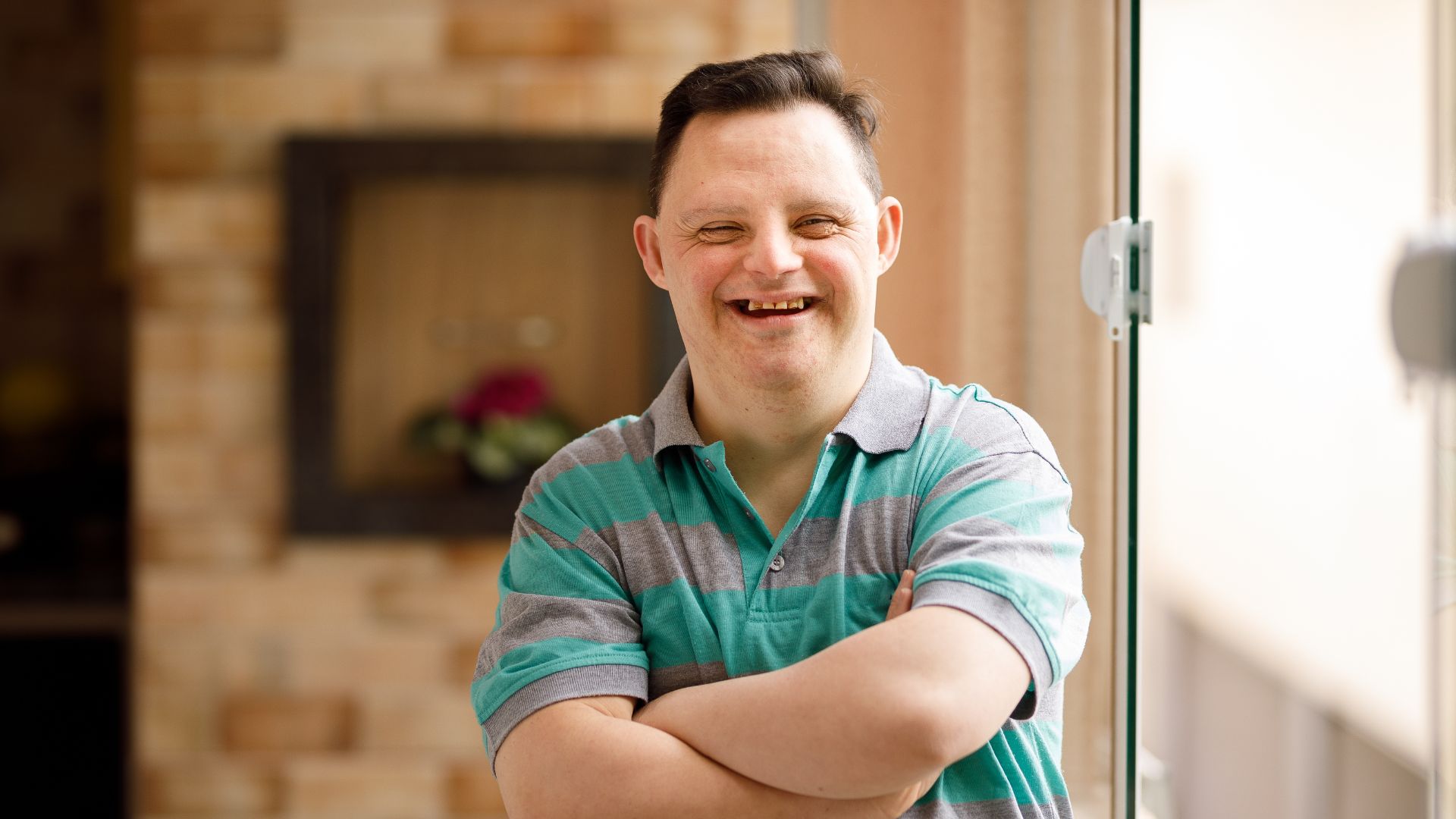
erson smiling with arms crossed while standing indoors

Real-life example: Checking eligibility before you apply

Example: Sam is 38 and has a long-term mental health condition. They meet age and residency rules but score less than 20 points under the Impairment Tables. 

Sam may not qualify for DSP right away, but could be asked to complete a Program of Support while exploring suitable work with assistance.


How we can support you at APM

If you’re not eligible for DSP, or if you want help exploring work options that suit your health and capacity, Inclusive Employment Australia can support you.

APM provides tailored, one-to-one assistance to help people with disabilities, injuries, or a health condition find and keep meaningful work, with support that continues after you start.

If you’d like support with the DSP or Inclusive Employment Australia, you can get in touch with us or register online.


Frequently asked questions: DSP eligibility


What is eligibility for disability pension based on?

Eligibility is based on meeting both non-medical rules (age, residency, income, assets) and medical rules that assess how your condition affects your ability to work.


Does having a diagnosis mean I qualify for DSP?

Not necessarily. DSP eligibility depends on functional impact and work capacity, not diagnosis alone.


Can I receive payment while I wait for a DSP decision?

While your Disability Support Pension application is being assessed, you may be eligible for other Centrelink payments, such as JobSeeker Payment, depending on your circumstances.

Centrelink can help you understand what short-term support options may be available to you while you wait for a decision on your DSP claim.


What if my condition gets worse over time?

If your condition changes, you may be able to reapply or request a review with updated medical evidence.


Where can I check the most up-to-date DSP eligibility rules?

You can find current information on the Services Australia website under the ‘Who can get Disability Support Pension’ page. 


About this article

APM supports people with disability, injury, or a health condition through various programs and services across its businesses, including Inclusive Employment Australia in Australia.

The information contained in this article is for educational and informational purposes only and is not intended as health or medical advice. Always consult a physician or other qualified health provider regarding any questions you may have about a medical condition or health objectives.

When discussing disability, APM’s copy style is to use person-first language and the social model of disability in the first instance. Some articles may use identity-first language or refer to the medical model of disability for clarity or to better suit a specific audience.

If you have any questions or feedback about the content of this article, visit our Feedback page to get in touch or email support@apm.net.au