
Finding work while managing scoliosis can feel overwhelming, but you don’t have to figure it out by yourself.
With the right support behind you, it’s possible to find a role that works with your body, not against it.
ترجمة هذه الصفحة
1. في الزاوية اليمنى العليا من المتصفح، انقر فوق النقاط الثلاث
2. انقر فوق "ترجمة..." من قائمة الخيارات
3. ستظهر قائمة ترجمة Google مع خيارات اللغة الافتراضية - انقر فوق أحدها لترجمة الصفحة
4. إذا كنت لا ترى لغتك في القائمة، فانقر على النقاط الثلاث في قائمة ترجمة Google وحدد "اختيار لغة أخرى"
5. افتح القائمة المنسدلة وحدد لغتك
ترجمة هذه الصفحة
1. انقر بزر الماوس الأيمن على الصفحة وحدد الخيار المسمى "ترجمة إلى..."
2. إذا كانت اللغة الافتراضية غير صحيحة، فانقر فوق رمز اللغة في شريط URL
3. افتح القائمة المنسدلة وحدد لغتك من القائمة
ترجمة هذه الصفحة
1. في الزاوية اليمنى العليا من شاشتك، انقر فوق أيقونة قائمة البرجر (3 خطوط أفقية)
2. انقر فوق "ترجمة الصفحة..." من قائمة الخيارات
3. في القائمة المنسدلة "ترجمة إلى"، حدد لغتك
ترجمة هذه الصفحة
1. انقر فوق رمز اللغة الموجود على الجانب الأيمن من شريط URL الخاص بك أعلى الصفحة
2. من قائمة الخيارات المتاحة، حدد لغتك
احتياطي
翻译此页
1. 在浏览器的右上角,单击 3 个点
2. 从选项列表中单击“翻译...”
3. 将出现一个带有默认语言选项的 Google 翻译菜单 - 单击其中一个即可翻译页面
4. 如果您在列表中没有看到您的语言,请点击 Google 翻译菜单中的 3 个点,然后选择“选择其他语言”
5. 打开下拉菜单并选择您的语言
翻译此页 1. 右键单击页面并选择标有“翻译为...”的选项 2. 如果默认语言不正确,请单击地址栏中的语言图标 3. 打开下拉菜单并从列表中选择您的语言
翻译此页
1. 在屏幕右上角,单击汉堡菜单图标(3 条水平线)
2. 从选项列表中单击“翻译页面...”
3. 在“翻译为”下拉列表中,选择您的语言
翻译此页
1. 单击页面顶部网址栏右侧的语言图标
2. 从可用选项列表中,选择您的语言
倒退
翻譯此頁
1. 在瀏覽器的右上角,按一下 3 個點
2. 從選項清單中點選“翻譯...”
3. 將出現一個帶有預設語言選項的 Google 翻譯選單 - 點擊其中一個即可翻譯頁面
4. 如果您在清單中沒有看到您的語言,請點擊 Google 翻譯選單中的 3 個點,然後選擇“選擇其他語言”
5. 開啟下拉式選單並選擇您的語言
翻譯此頁
1. 右鍵單擊頁面並選擇標有“翻譯為...”的選項
2. 如果預設語言不正確,請點選網址列中的語言圖標
3. 開啟下拉式選單並從清單中選擇您的語言
翻譯此頁
1. 在螢幕右上角,點選漢堡選單圖示(3 條水平線)
2. 從選項清單中點選“翻譯頁面...”
3. 在「翻譯為」下拉清單中,選擇您的語言
翻譯此頁
1. 點選頁面頂部網址列右側的語言圖標
2. 從可用選項清單中,選擇您的語言
倒退
ترجمه این صفحه 1. در گوشه سمت راست بالای مرورگر خود، روی 3 نقطه کلیک کنید 2. از لیست گزینه ها روی "Translate..." کلیک کنید 3. منوی Google Translate با گزینه های زبان پیش فرض ظاهر می شود - برای ترجمه صفحه روی یکی کلیک کنید 4. اگر زبان خود را در لیست نمیبینید، روی 3 نقطه در منوی Google Translate کلیک کنید و «انتخاب زبان دیگری» را انتخاب کنید. 5. منوی کشویی را باز کنید و زبان خود را انتخاب کنید
ترجمه این صفحه
1. روی صفحه کلیک راست کرده و گزینه با عنوان "Translate to..." را انتخاب کنید.
2. اگر زبان پیش فرض درست نیست، روی نماد زبان در نوار URL کلیک کنید
3. منوی کشویی را باز کنید و زبان خود را از لیست انتخاب کنی
ترجمه این صفحه
1. در گوشه سمت راست بالای صفحه، روی نماد منوی همبرگر (3 خط افقی) کلیک کنید.
2. از لیست گزینه ها روی "ترجمه صفحه..." کلیک کنید
3. در منوی بازشوی «ترجمه به»، زبان خود را انتخاب کنید
ترجمه این صفحه
1. روی نماد زبان در سمت راست نوار URL خود در بالای صفحه کلیک کنید
2. از لیست گزینه های موجود، زبان خود را انتخاب کنید
بازگشت به عقب


Finding work while managing scoliosis can feel overwhelming, but you don’t have to figure it out by yourself.
With the right support behind you, it’s possible to find a role that works with your body, not against it.
Around 3 in every 1,000 children are diagnosed with scoliosis that requires medical treatment.
While scoliosis is often diagnosed in childhood or adolescence, many adults are affected, either due to a curve that developed earlier in life or one that appears later due to aging or deterioration.
It is a condition that can range from mild to more complex, often impacting posture, movement, or physical endurance.
When it comes to finding work, this can sometimes make the process feel a bit more complicated.
From dealing with long periods of sitting or standing to navigating physically demanding tasks, it’s okay if job searching feels daunting at times.
But with the right support, it’s possible to find work that suits your strengths and feels more manageable daily.
At APM, we help people explore job options that match their individual abilities, routines and comfort levels.
Whether you're ready to get into work now or you're taking things step by step, we’re here to support you.
Finding the right job while living with scoliosis can help you:
Below, you'll find practical tips to help you recognise your strengths, think about your ideal work environment, and explore job options that align with your needs.
There is a job out there for you, and we’re here to help you take the next step.
Living with scoliosis can affect how you experience certain tasks, routines, and environments at work.
Whether you're managing discomfort, mobility challenges, or fatigue, finding the right job is still possible, especially when your needs are understood and supported.
The right job should help you protect your physical health, build on your strengths, and offer the flexibility to manage symptoms when they flare up.
Because scoliosis impacts everyone differently, it helps to think about what you need to feel comfortable and capable at work. Below are a few helpful questions to guide your job search and narrow down options that work for you.
You may feel better in a role where you can move around throughout the day, or one that allows you to sit in an ergonomic chair with proper back support.
Workspaces that allow for adjustable desks, regular breaks, or hybrid/remote options can also help you manage pain and fatigue more easily.
Jobs that require heavy lifting, standing for long periods, or repetitive bending might not be ideal, depending on your needs.
Consider roles that offer a balance, like seated tasks with the option to stretch or walk when needed. It’s about finding a rhythm that helps you stay comfortable and avoid strain.
Some people living with scoliosis find that energy levels vary from day to day.
If that’s true for you, roles with flexible hours or predictable routines can help you plan ahead and pace yourself.
Working in an understanding team or with supportive management can also make a big difference when you need time to rest or attend appointments.
When you're living with scoliosis, the right job can help you manage your comfort, protect your health, and support your overall wellbeing.
You might prefer roles that offer ergonomic workspaces, flexibility in hours or location, or the ability to pace yourself throughout the day.
Thinking about your strengths and how your body feels during different types of tasks can open the door to new possibilities. You may be able to apply your existing skills in a role or industry that’s better suited to your physical needs.
If you’re unsure where to begin, our Employment Consultants can support you in finding job options that align with your health, goals, and interests. Register now to access tailored employment support and advice.
Here are some job ideas for people living with scoliosis:

* Please note these job suggestions may not be suitable for everyone with anxiety. These job suggestions may suit some people depending on their circumstances, including, but not limited to, their current experience with anxiety.
These roles can offer more control over your daily routine, which can help you manage fatigue, pain flare-ups, or medical appointments without added stress.
Some examples include:
Remote and freelance roles often allow you to create your own ergonomic workspace and work when you feel most comfortable.
If standing for long periods, lifting, or repetitive bending is challenging, consider jobs with seated tasks, predictable routines, and supportive environments.
Examples may include:
These roles often involve low-impact tasks and can offer opportunities for part-time or hybrid work arrangements.
If you’ve worked in a more physically demanding role before, you might be able to pivot into a new job that still uses your knowledge — but with less physical strain.
For example:
If you’re living with a disability, injury, or health condition, you don’t have to navigate your employment journey alone. Support is available to help you take the next step, at a pace that feels right for you.
If you're eligible for the Inclusive Employment Australia (IEA) program, APM can support you in finding and keeping meaningful work.
Inclusive Employment Australia is a government-funded initiative, and it’s free for eligible participants.
Whether you’re just starting, returning to work after some time away, or looking for support to stay in your current role, APM is here to help.
We’ll take the time to understand your situation and work with you to create a plan that matches your strengths, goals, and needs.
With Inclusive Employment Australia, you may be able to access:
Curious about what’s possible? Sign up today to check your eligibility for Inclusive Employment Australia with APM.
Finding work that supports your health and goals
At APM, we help people living with scoliosis find work that fits their strengths, preferences, and physical wellbeing. Here’s how we can help:
Your strengths come from more than just past jobs, they often come from how you’ve adapted to life’s challenges. Living with scoliosis may have helped you develop resilience, patience, organisation, or attention to detail, all of which can be valuable in many different roles.
We know it’s not always easy to recognise your own abilities. That’s why we take the time to understand what you’re good at and explore job options that feel both achievable and meaningful.
Register with APM to see if you’re eligible for Inclusive Employment Australia.
It’s a simple way to start exploring job options that take your physical comfort and support needs into account.
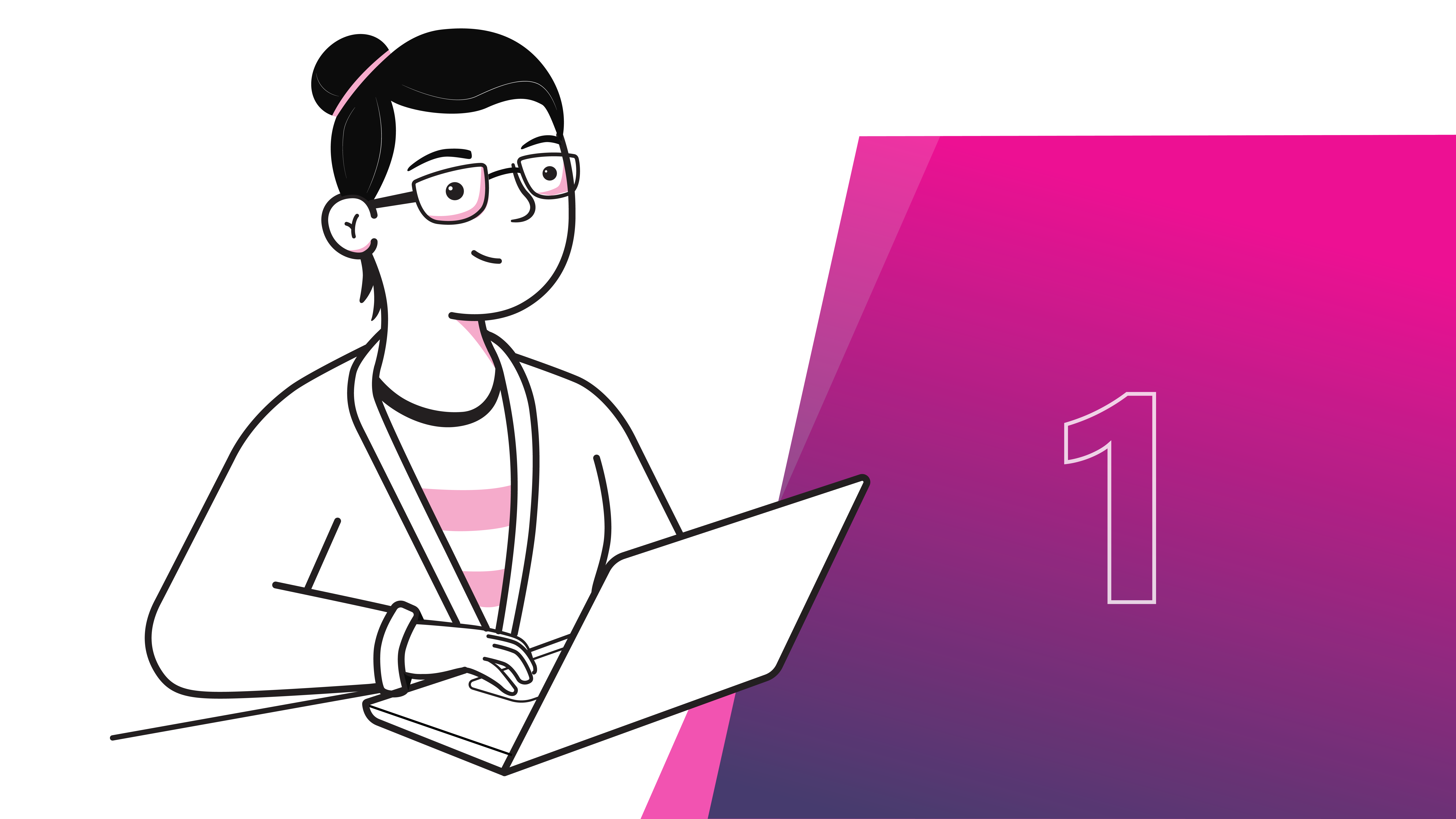
Meet with an APM employment consultant who listens and understands.
We’ll talk about your experience living with scoliosis, what helps you feel comfortable at work, and the kind of roles that align with your strengths and goals.
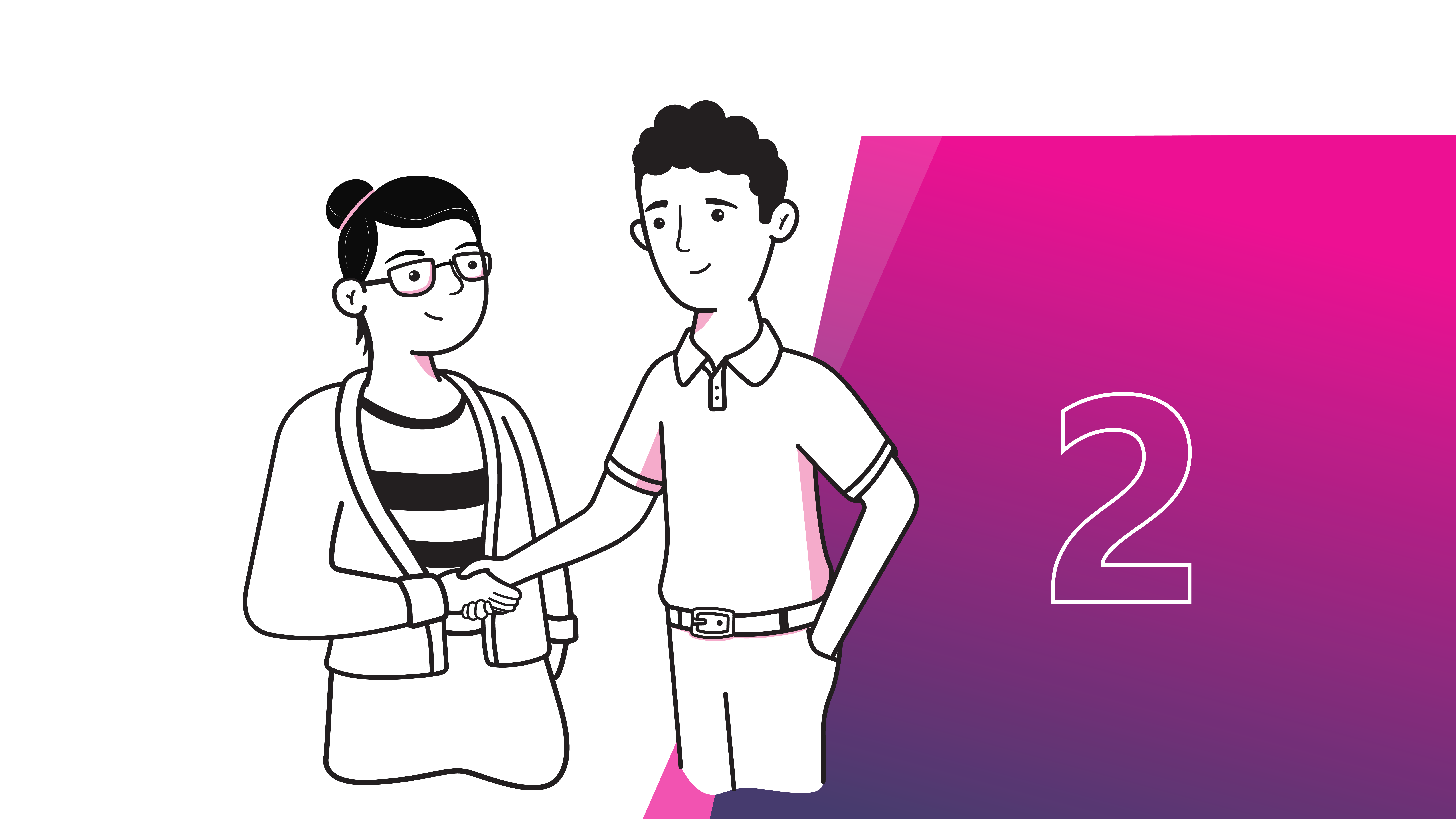
Get personalised support to move forward at your own pace.
You’ll explore job ideas, grow your confidence, and take practical steps toward a role that works for your lifestyle and wellbeing.
Keeping you supported in the workplace
Starting a new job is a big step, and we’re here to support you well beyond your first day.
At APM, we work with you and your employer to help create a workplace that supports your physical comfort and overall wellbeing.
This might include flexible start times, ergonomic workstations, or routines that allow you to move or rest when needed.
Depending on your role and what works best for you, we can provide on-the-job support, practical coaching, and advice on any workplace adjustments that make your day-to-day easier.
We also help employers understand how scoliosis may impact your work and guide them to create inclusive, supportive environments with the right flexibility in place.
If you need ongoing or longer-term support, we’ll help build a plan that works for you, so you can feel confident, comfortable, and capable at work.
Our goal is to support you in building a meaningful, sustainable career with the tools and understanding you need to succeed.
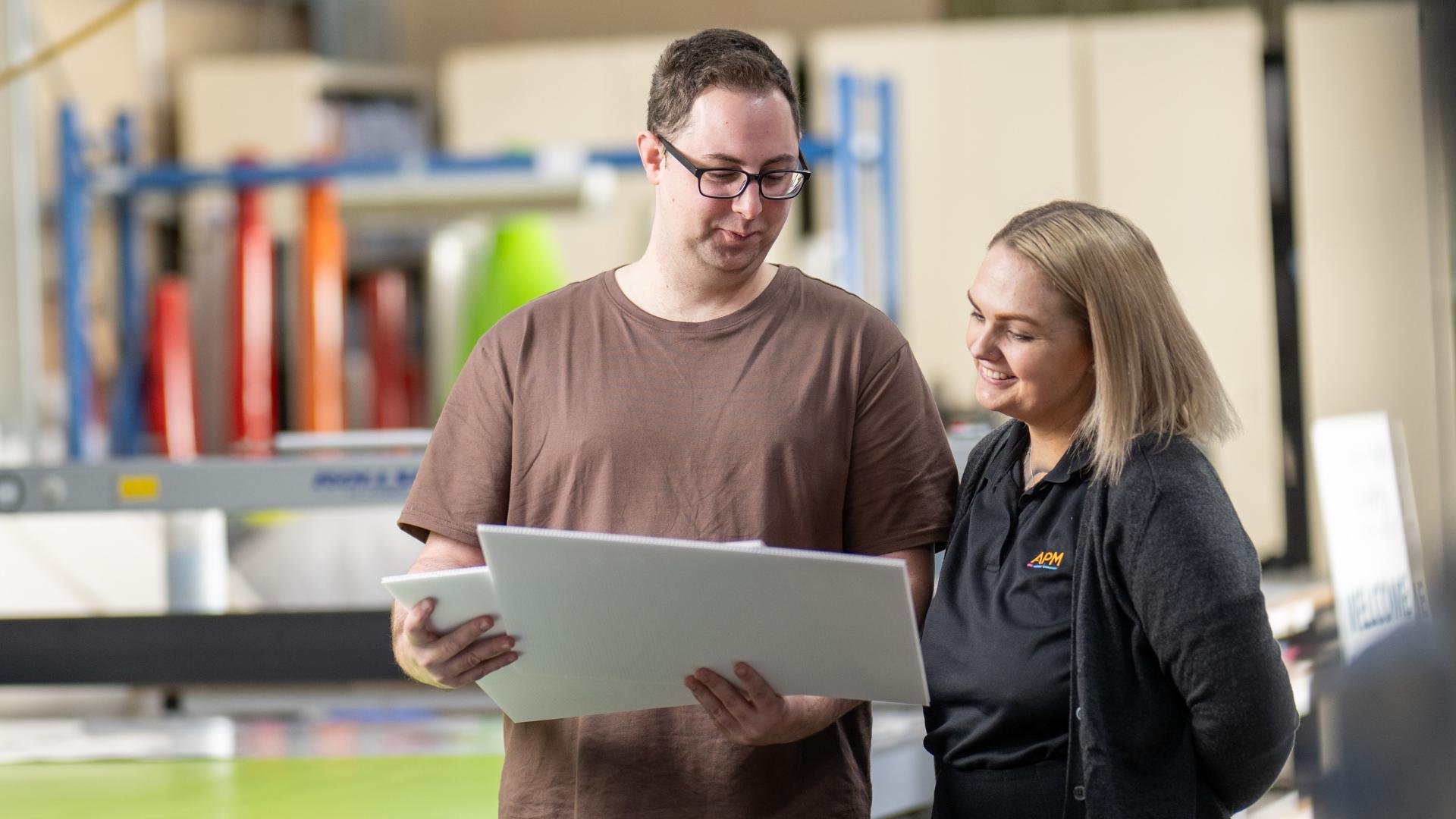
With the right support and adjustments, many people with scoliosis lead fulfilling lives, personally and professionally.
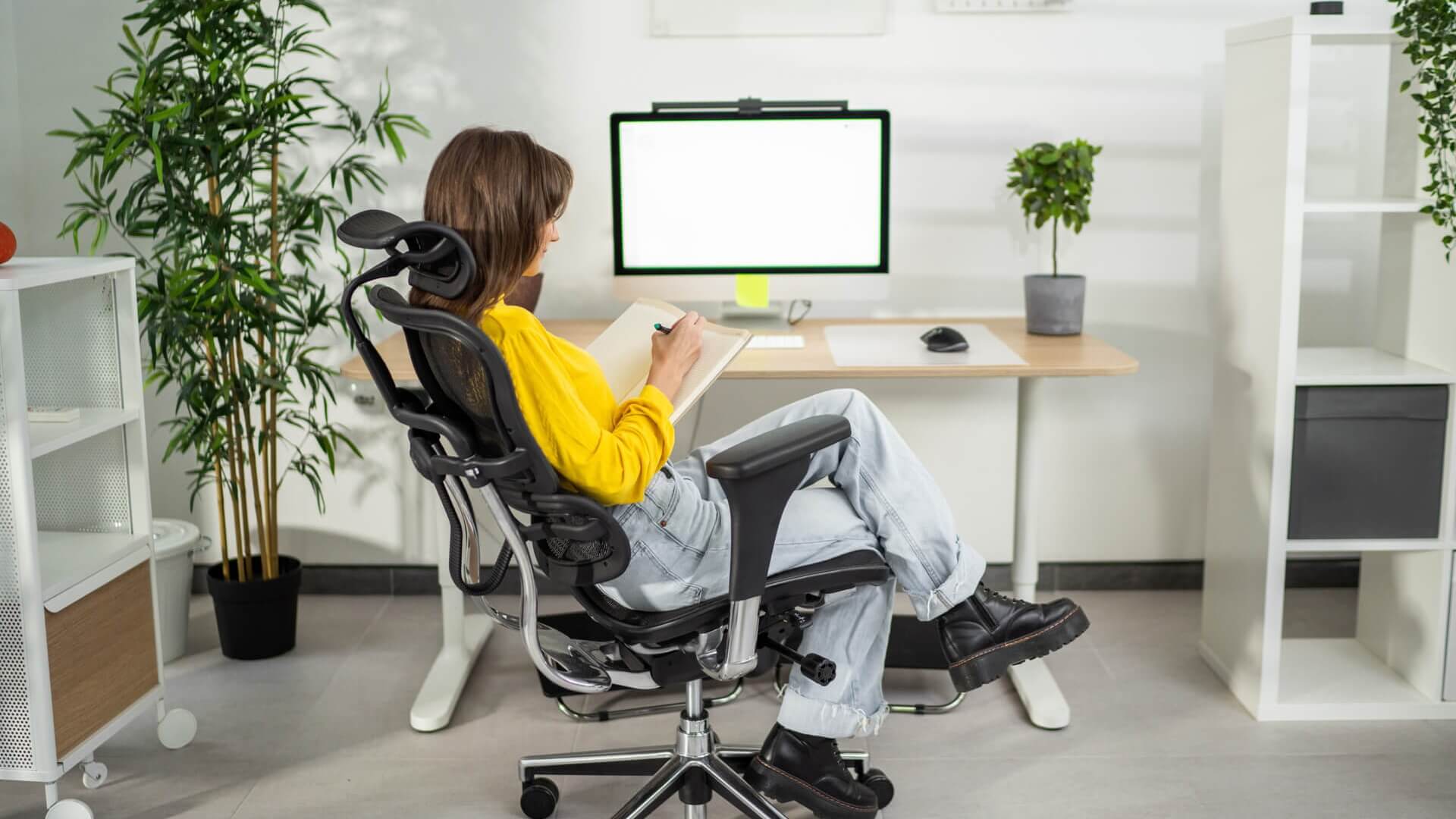
If you’re looking for ways to be a supportive friend or family member to someone living with scoliosis, this guide provides practical tips to help.

Explore the symptoms, types, and causes of scoliosis, along with the treatment options and support available.
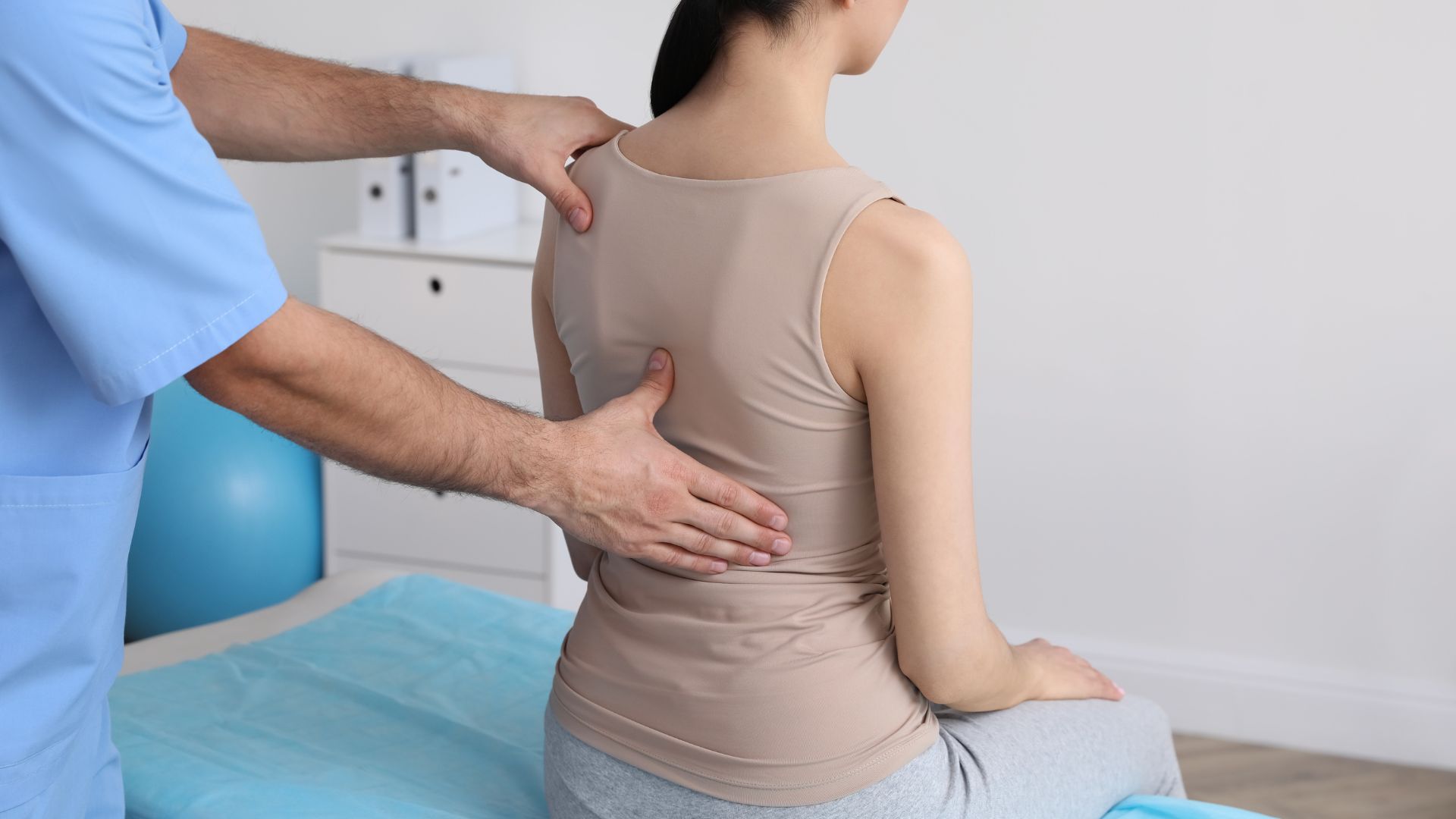
APM supports people with disability, injury, or a health condition through various programs and services across its businesses, including Inclusive Employment Australia in Australia.
The information contained in this article is for educational and informational purposes only and is not intended as health or medical advice. Always consult a physician or other qualified health provider regarding any questions you may have about a medical condition or health objectives.
When discussing disability, APM’s copy style is to use person-first language and the social model of disability in the first instance. Some articles may use identity-first language or refer to the medical model of disability for clarity or to better suit a specific audience.
If you have any questions or feedback about the content of this article, visit our Feedback page to get in touch or email support@apm.net.au