1. On the top right hand corner of your browser, click the 3 dots
2. Click 'Translate...' from the list of options
3. A Google Translate menu will appear with default language options - click on one to translate the page
4. If you do not see your language in the list, click the 3 dots in the Google Translate menu and select 'Choose another language'
5. Open the dropdown and select your language
Translate This Page
1. Right click the page and select the option labeled 'Translate to...'
2. If the default language is not correct, click the language icon in the URL bar
3. Open the dropdown and select your language from the list
Translate This Page
1. On the top right hand corner of your screen, click the burger menu icon (3 horizontal lines)
2. Click 'Translate page...' from the list of options
3. In the 'Translate to' dropdown, select your language
Translate This Page
1. Click the language icon on the right hand side of your URL bar at the top of the page
2. From the list of available options, select your language
Fallback
Dịch trang này
1. Ở góc trên cùng bên phải của trình duyệt, nhấp vào dấu 3 chấm
2. Nhấp vào 'Dịch...' từ danh sách các tùy chọn
3. Menu Google Dịch sẽ xuất hiện với các tùy chọn ngôn ngữ mặc định - nhấp vào một tùy chọn để dịch trang
4. Nếu bạn không thấy ngôn ngữ của mình trong danh sách, hãy nhấp vào dấu 3 chấm trong menu Google Dịch và chọn 'Chọn ngôn ngữ khác'5
. Mở menu thả xuống và chọn ngôn ngữ của bạn
Dịch trang này
1. Nhấp chuột phải vào trang và chọn tùy chọn có nhãn 'Dịch sang...'
2. Nếu ngôn ngữ mặc định không chính xác, hãy nhấp vào biểu tượng ngôn ngữ trong thanh
URL 3. Mở menu thả xuống và chọn ngôn ngữ của bạn từ danh sách
Dịch trang này
1. Ở góc trên cùng bên phải màn hình của bạn, nhấp vào biểu tượng menu bánh mì kẹp thịt (3 đường ngang)
2. Nhấp vào 'Dịch trang...' từ danh sách các tùy chọn
3. Trong menu thả xuống "Dịch sang", hãy chọn ngôn ngữ của bạn
Dịch trang này
1. Nhấp vào biểu tượng ngôn ngữ ở phía bên tay phải của thanh URL ở đầu trang
2. Từ danh sách các tùy chọn có sẵn, hãy chọn ngôn ngữ của bạn
Dự phòng
이 페이지를 번역하세요
1. 브라우저 오른쪽 상단에서 점 3개를 클릭하세요.
2. 옵션 목록에서 '번역...'을 클릭하세요.
3. 기본 언어 옵션이 포함된 Google 번역 메뉴가 나타납니다. 해당 메뉴를 클릭하면 페이지가 번역됩니다.
4. 목록에 원하는 언어가 표시되지 않으면 Google 번역 메뉴에서 점 3개를 클릭하고 '다른 언어 선택'을 선택하세요.
5. 드롭다운을 열고 언어를 선택하세요.
이 페이지를 번역하세요
1. 페이지를 마우스 오른쪽 버튼으로 클릭하고 '번역...' 옵션을 선택하세요.
2. 기본 언어가 올바르지 않은 경우, URL 표시줄의 언어 아이콘을 클릭하세요.
3. 드롭다운을 열고 목록에서 언어를 선택하세요.
이 페이지를 번역하세요
1. 화면 오른쪽 상단에서 버거 메뉴 아이콘(가로선 3개)을 클릭합니다.
2. 옵션 목록에서 '페이지 번역...'을 클릭하세요.
3. '번역 대상' 드롭다운에서 언어를 선택하세요.
이 페이지를 번역하세요
1. 페이지 상단의 URL 표시줄 오른쪽에 있는 언어 아이콘을 클릭하세요.
2. 사용 가능한 옵션 목록에서 언어를 선택하세요.
이 페이지를 번역하세요
1. 브라우저 오른쪽 상단에서 점 3개를 클릭하세요.
2. 옵션 목록에서 '번역...'을 클릭하세요.
3. 기본 언어 옵션이 포함된 Google 번역 메뉴가 나타납니다. 해당 메뉴를 클릭하면 페이지가 번역됩니다.
4. 목록에 원하는 언어가 표시되지 않으면 Google 번역 메뉴에서 점 3개를 클릭하고 '다른 언어 선택'을 선택하세요.
5. 드롭다운을 열고 언어를 선택하세요.
Isalin ang Pahinang Ito
1. Sa kanang sulok sa itaas ng iyong browser, i-click ang 3 tuldok
2. I-click ang 'Isalin...' mula sa listahan ng mga opsyon
3. Lilitaw ang isang menu ng Google Translate na may mga default na pagpipilian sa wika - mag-click sa isa upang isalin ang pahina
4. Kung hindi mo nakikita ang iyong wika sa listahan, i-click ang 3 tuldok sa menu ng Google Translate at piliin ang 'Pumili ng ibang wika'
5. Buksan ang dropdown at piliin ang iyong wika
Isalin ang Pahinang Ito
1. I-right click ang pahina at piliin ang opsyong may label na 'Isalin sa...'
2. Kung hindi tama ang default na wika, i-click ang icon ng wika sa URL bar
3. Buksan ang dropdown at piliin ang iyong wika mula sa listahan
Isalin ang Pahinang Ito
1. Sa kanang sulok sa itaas ng iyong screen, i-click ang icon ng menu ng burger (3 pahalang na linya)
2. I-click ang 'Isalin ang pahina...' mula sa listahan ng mga opsyon
3. Sa dropdown na 'Isalin sa', piliin ang iyong wika
Isalin ang Pahinang Ito
1. I-click ang icon ng wika sa kanang bahagi ng iyong URL bar sa tuktok ng pahina
2. Mula sa listahan ng mga magagamit na opsyon, piliin ang iyong wika
Isalin ang Pahinang Ito
1. Sa kanang sulok sa itaas ng iyong browser, i-click ang 3 tuldok
2. I-click ang 'Isalin...' mula sa listahan ng mga opsyon
3. Lilitaw ang isang menu ng Google Translate na may mga default na pagpipilian sa wika - mag-click sa isa upang isalin ang pahina
4. Kung hindi mo nakikita ang iyong wika sa listahan, i-click ang 3 tuldok sa menu ng Google Translate at piliin ang 'Pumili ng ibang wika'
5. Buksan ang dropdown at piliin ang iyong wika
បកប្រែទំព័រនេះ។
1. នៅជ្រុងខាងស្តាំដៃនៃកម្មវិធីរុករករបស់អ្នក ចុចលើចំណុច 3
2. ចុច 'បកប្រែ...' ពីបញ្ជីជម្រើស
3. ម៉ឺនុយបកប្រែ Google នឹងបង្ហាញជាមួយជម្រើសភាសាលំនាំដើម - ចុចលើមួយដើម្បីបកប្រែទំព័រ
4. ប្រសិនបើអ្នកមិនឃើញភាសារបស់អ្នកនៅក្នុងបញ្ជីទេ សូមចុចចំនុច 3 នៅក្នុងម៉ឺនុយ Google Translate ហើយជ្រើសរើស 'Choose other language'
5. បើកបញ្ជីទម្លាក់ចុះ ហើយជ្រើសរើសភាសារបស់អ្នក។
1. នៅជ្រុងខាងស្តាំដៃនៃកម្មវិធីរុករករបស់អ្នក ចុចលើចំណុច 3
2. ចុច 'បកប្រែ...' ពីបញ្ជីជម្រើស
3. ម៉ឺនុយបកប្រែ Google នឹងបង្ហាញជាមួយជម្រើសភាសាលំនាំដើម - ចុចលើមួយដើម្បីបកប្រែទំព័រ
4. ប្រសិនបើអ្នកមិនឃើញភាសារបស់អ្នកនៅក្នុងបញ្ជីទេ សូមចុចចំនុច 3 នៅក្នុងម៉ឺនុយ Google Translate ហើយជ្រើសរើស 'Choose other language'
5. បើកបញ្ជីទម្លាក់ចុះ ហើយជ្រើសរើសភាសារបស់អ្នក។
ترجمة هذه الصفحة
1. في الزاوية اليمنى العليا من المتصفح، انقر فوق النقاط الثلاث
2. انقر فوق "ترجمة..." من قائمة الخيارات
3. ستظهر قائمة ترجمة Google مع خيارات اللغة الافتراضية - انقر فوق أحدها لترجمة الصفحة
4. إذا كنت لا ترى لغتك في القائمة، فانقر على النقاط الثلاث في قائمة ترجمة Google وحدد "اختيار لغة أخرى"
5. افتح القائمة المنسدلة وحدد لغتك
ترجمة هذه الصفحة
1. انقر بزر الماوس الأيمن على الصفحة وحدد الخيار المسمى "ترجمة إلى..."
2. إذا كانت اللغة الافتراضية غير صحيحة، فانقر فوق رمز اللغة في شريط URL
3. افتح القائمة المنسدلة وحدد لغتك من القائمة
ترجمة هذه الصفحة
1. في الزاوية اليمنى العليا من شاشتك، انقر فوق أيقونة قائمة البرجر (3 خطوط أفقية)
2. انقر فوق "ترجمة الصفحة..." من قائمة الخيارات
3. في القائمة المنسدلة "ترجمة إلى"، حدد لغتك
ترجمة هذه الصفحة
1. انقر فوق رمز اللغة الموجود على الجانب الأيمن من شريط URL الخاص بك أعلى الصفحة
2. من قائمة الخيارات المتاحة، حدد لغتك
ترجمه این صفحه
1. در گوشه سمت راست بالای مرورگر خود، روی 3 نقطه کلیک کنید
2. از لیست گزینه ها روی "Translate..." کلیک کنید
3. منوی Google Translate با گزینه های زبان پیش فرض ظاهر می شود - برای ترجمه صفحه روی یکی کلیک کنید
4. اگر زبان خود را در لیست نمیبینید، روی 3 نقطه در منوی Google Translate کلیک کنید و «انتخاب زبان دیگری» را انتخاب کنید.
5. منوی کشویی را باز کنید و زبان خود را انتخاب کنید
ترجمه این صفحه
1. روی صفحه کلیک راست کرده و گزینه با عنوان "Translate to..." را انتخاب کنید.
2. اگر زبان پیش فرض درست نیست، روی نماد زبان در نوار URL کلیک کنید
3. منوی کشویی را باز کنید و زبان خود را از لیست انتخاب کنی
ترجمه این صفحه
1. در گوشه سمت راست بالای صفحه، روی نماد منوی همبرگر (3 خط افقی) کلیک کنید.
2. از لیست گزینه ها روی "ترجمه صفحه..." کلیک کنید
3. در منوی بازشوی «ترجمه به»، زبان خود را انتخاب کنید
ترجمه این صفحه
1. روی نماد زبان در سمت راست نوار URL خود در بالای صفحه کلیک کنید
2. از لیست گزینه های موجود، زبان خود را انتخاب کنید
بازگشت به عقب
Skipped to main content
What is immunodeficiency?
Immunodeficiency is a condition that affects your body’s immune system, which is the part of your body that helps fight off infections and illnesses.
If you’re living with immunodeficiency, your immune system may not respond the way it should, which means you might get sick more often or have trouble recovering from infections.
There are many types of immunodeficiency, and they can affect people in different ways. Some are present from birth, while others develop later in life due to illness, injury, or medication.
If you’re wondering ‘what is immunodeficiency’ and how it might affect you or someone you know, this guide breaks down the causes, symptoms, treatment options, and what support is available — including help finding a job if your condition makes working harder.
Symptoms of immunodeficiency
The signs of immunodeficiency vary depending on the type and severity of the condition. But common symptoms can include:
Frequent infections that are hard to treat
Infections that keep coming back
Feeling tired or rundown often
Inflammation or swelling in organs
Digestive issues like diarrhoea or cramping
Delayed growth or development in children
Skin rashes or sores that don’t heal properly
You might also notice that everyday illnesses, like a cold or flu, take longer to go away or seem more severe than usual. What might start as a minor infection for others can turn into a lingering illness for someone with immunodeficiency.
You may experience more intense symptoms, need longer recovery times, or find that treatments like antibiotics don’t work as effectively as expected. This can lead to ongoing fatigue or frequent returns to the doctor for follow-up care.
Causes & types of immunodeficiency
There are two main types of immunodeficiency: primary and secondary.
Primary immunodeficiency
This type is usually inherited (genetic) and starts in childhood. It happens when part of your immune system is missing or not working properly from birth.
There are more than 400 known types of primary immunodeficiency, including conditions like:
Primary immunodeficiencies are less common but can be serious without the right care. This is why a proper diagnosis and care from as early as possible is crucial with primary immunodeficiency.
Secondary immunodeficiency
Secondary immunodeficiency develops later in life. It’s often caused by:
Certain medications (like chemotherapy or steroids)
Chronic illnesses such as diabetes or cancer
Malnutrition
Ageing
Infections like HIV
This type is more common and can affect anyone at any stage of life.
Risk factors
Anyone can develop an immunodeficiency, but some factors may increase your risk. These include:
A family history of primary immunodeficiency
Having an autoimmune or chronic condition
Taking medication that suppresses the immune system
Poor nutrition or vitamin deficiencies
Experiencing frequent or long-term infections
Being over the age of 65
At present, the main known risk factor for developing a primary immunodeficiency is having a family history of the condition.
Your lifestyle and environment can also play a role in how well your immune system functions.
For example, ongoing stress, poor sleep habits, and smoking can all weaken your immune response over time, making it harder for your body to fight off infections.
A lack of regular physical activity, poor nutrition, or exposure to environmental toxins can also contribute to a compromised immune system.
Over time, these factors may increase your vulnerability to illnesses and make it harder to recover when you do get sick.
Diagnosis
If you or your doctor suspects you might have immunodeficiency, a few different steps may be involved in getting a diagnosis. These can include:
A detailed health history
Physical exams
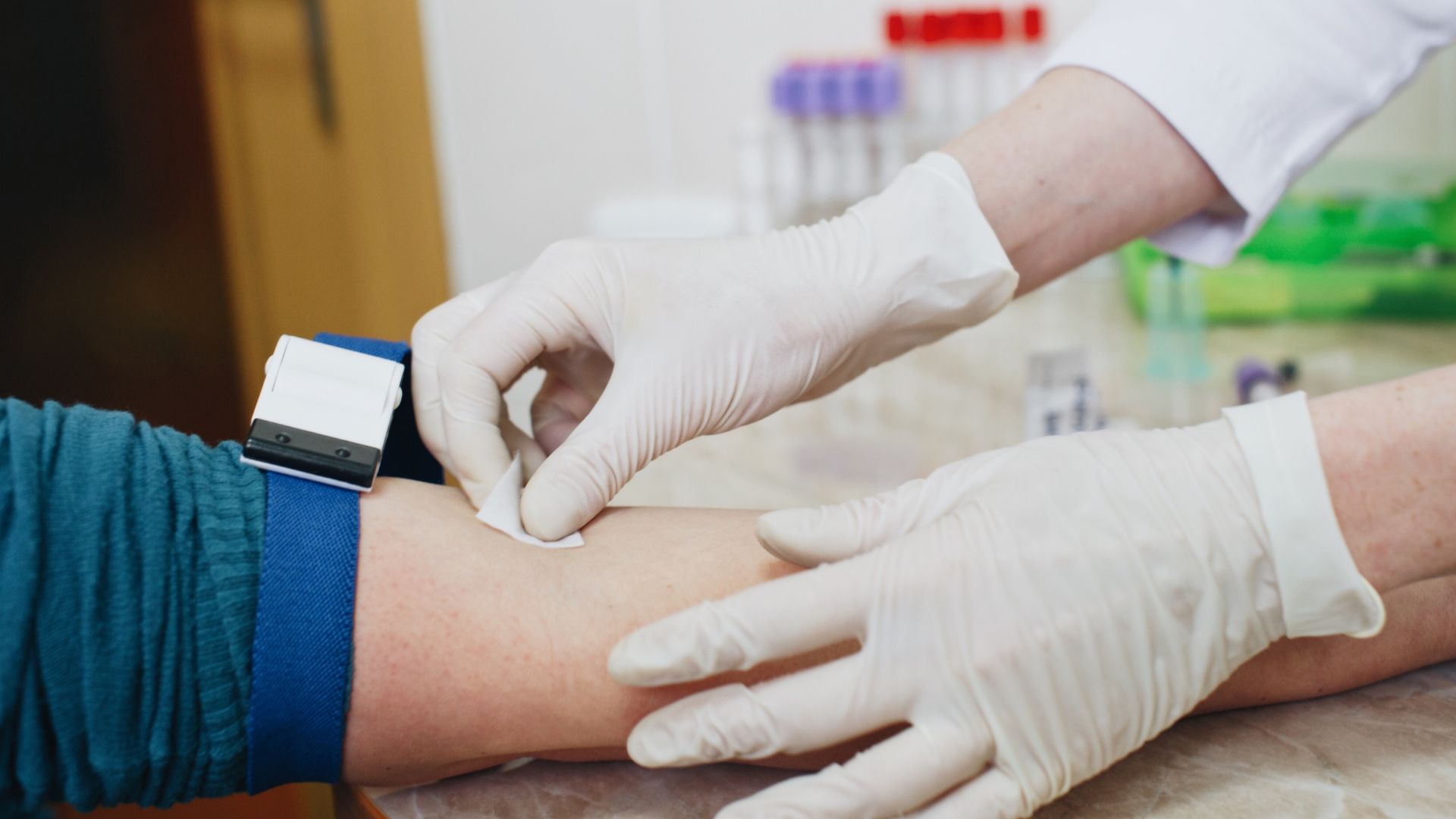
Blood tests to check immune cell counts or antibodies
Genetic testing for inherited conditions
Imaging tests if organ damage is suspected
Blood tests can help check whether you have healthy levels of blood cells and immune system cells, and whether your immune system is functioning as it should. In some cases, prenatal screening or DNA testing may also be used to identify inherited conditions.
It’s important to be honest about your symptoms, even if they seem small. Tracking how often you get sick and how long it takes you to recover through a symptom tracker can help your doctor make a diagnosis.
Early diagnosis is key, especially for children and people with chronic conditions, so treatment can begin as soon as possible.
Treatment options for immunodeficiency
There’s no one-size-fits-all treatment for immunodeficiency. It depends on what’s causing it, how severe it is, and your overall health. A treatment method will be personalised to the person it is treating and their unique symptoms.
Early medical advice can help prevent complications and improve your long-term health.
Finding a job with immunodeficiency
If you’re living with immunodeficiency, working might feel harder, especially if your condition means you need flexible hours, time off for appointments, or a less physically demanding job.
But having a health condition doesn’t mean you can’t find meaningful work. You just might need the right support.
Melissa worked as a cleaner for many years, but she found working with some of the chemicals in cleaning products began to cause issues for her health.
Living with low lung capacity, a side effect of the autoimmune disorders she lives with and which sometimes causes her to experience shortness of breath and fatigue.
Forced to leave her job, Melissa came to APM Employment Services for support.
With her enthusiasm and drive in the inclusive employment program it didn't take long for employers to see the potential she could bring to their team and secure a meaningful new job.
APM supports people with disability, injury, or a health condition through various programs and services across its businesses, including Inclusive Employment Australia in Australia.
When discussing disability, APM’s copy style is to use person-first language and the social model of disability in the first instance. Some articles may use identity-first language or refer to the medical model of disability for clarity or to better suit a specific audience.
The information contained in this article is for educational and informational purposes only and is not intended as health or medical advice. Always consult a physician or other qualified health provider regarding any questions you may have about a medical condition or health objectives.
If you have any questions or feedback about the content of this article, visit our Feedback page to get in touch or email support@apm.net.au
We use cookies to ensure you get the best experience. Please choose the cookie level that's appropriate for you. We recommend allowing all cookies to ensure you get the most out of our website. Cookie Policy.