Skipped to main content

How much is the Disability Support Pension (DSP) in Australia?

Summary: 

  • The Disability Support Pension (DSP) amount is not the same for everyone.
  • How much you receive depends on your age, income, assets, relationship status, and personal circumstances.
  • DSP is paid fortnightly and payment rates are indexed, usually in March and September.
  • Most people also receive supplements, which are included in the total payment.
  • Rates can change over time, so it’s important to check the latest figures.
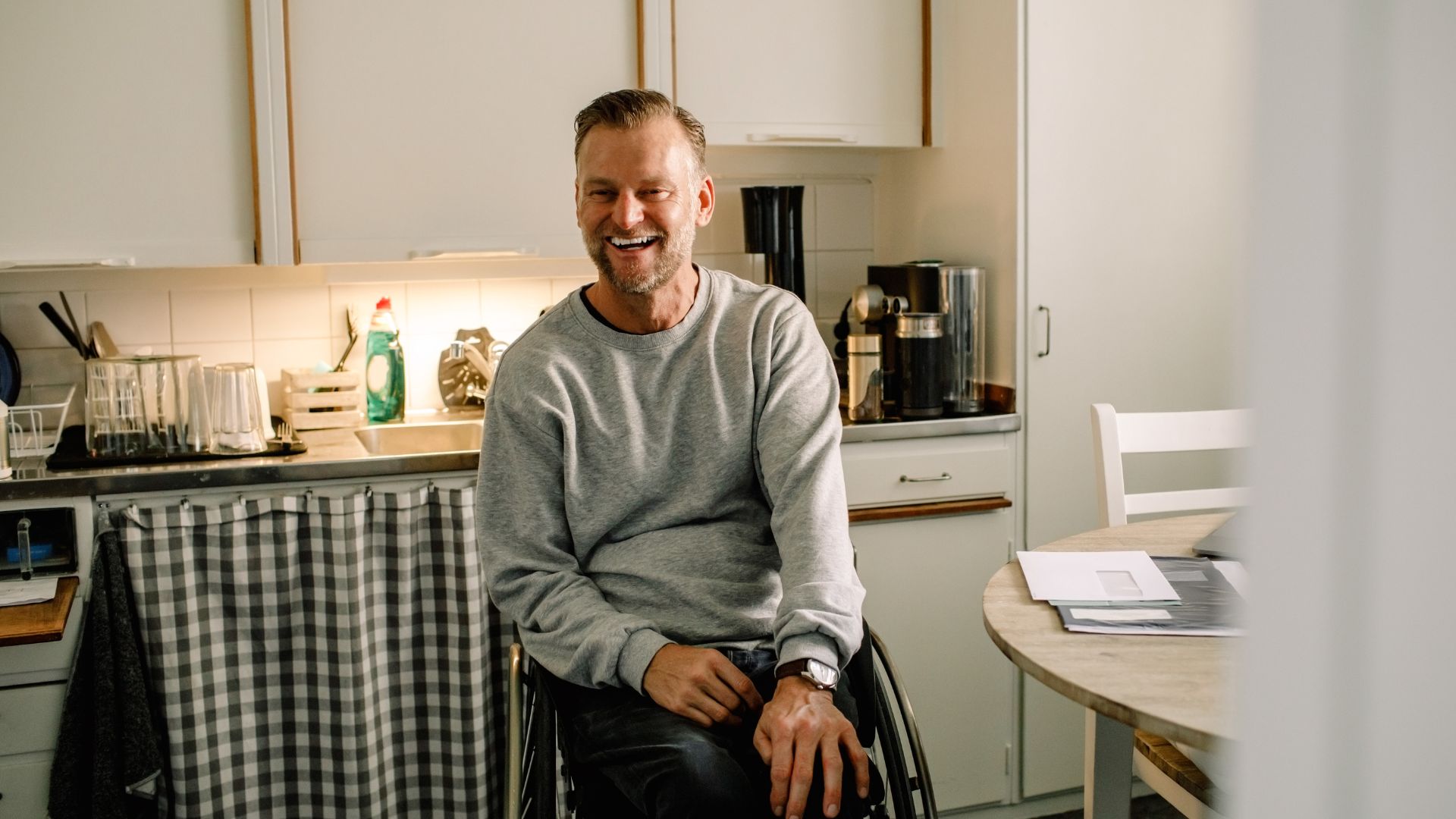
A man using a wheelchair sits in a kitchen, smiling warmly, with household items and a dining table visible around him.

How the Disability Support Pension (DSP) payments are calculated

If you receive the Disability Support Pension (DSP), or are thinking about applying, one of the first questions you may have is how much the payment is.

There isn’t a single set amount. DSP payment rates vary depending on your circumstances, including whether you’re single or in a couple, your age, and whether you receive any supplements. 

This guide explains how DSP payments work, why amounts differ, and what’s included in the total payment.


What is the Disability Support Pension?

The Disability Support Pension is a fortnightly payment from the Australian Government for people living with a permanent disability, injury, or a health condition that significantly limits their ability to work.

DSP is designed to provide income support when work is not possible, or only possible at a limited level. 

You can learn more about eligibility for the Disability Support Pension (DSP) here.

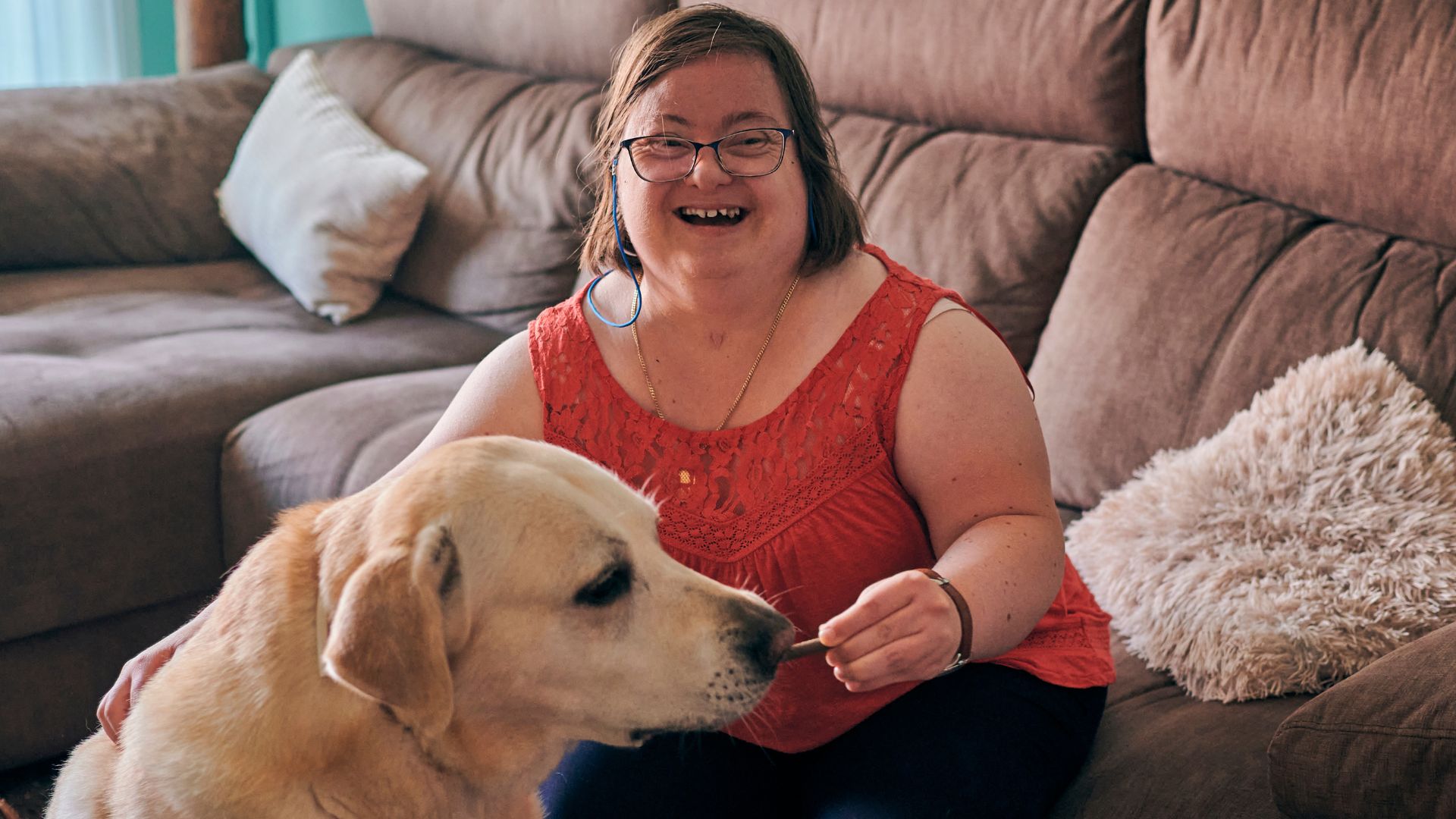
A woman sits on a couch at home, smiling while offering a treat to a dog beside her, with soft furnishings and cushions in the background.

How much is the Disability Support Pension?

The amount of DSP you receive depends on your situation. This is why two people on DSP may receive different payment amounts.

Payment rates are based on factors such as:

  • Your age
  • Your current income 
  • Your assets 
  • Whether you’re single or in a couple
  • Whether you live with your partner or apart due to illness
  • Whether you have dependent children

DSP payment rates are usually reviewed twice a year, in March and September. Rates for people under 21 without children are reviewed each January.

Below are the base DSP payment rates, grouped by circumstance. These figures reflect the most recent published rates as of January 2026. For the latest updates, always check Services Australia.


Maximum DSP payment rates (per fortnight)

If you’re 21 or older (with or without children), or under 21 with a child in your care:

  • Single: up to $1,178.70
  • Couple (each): up to $888.50
  • Couple (combined): up to $1,777.00
  • Couple, separated due to ill health (each): up to $1,178.70

These amounts include:

  • Basic pension rate
  • Pension Supplement
  • Energy Supplement


If you’re under 21 without dependent children

If you’re under 21 and don’t have a child in your care, your DSP rate depends on whether Centrelink assesses you as dependent or independent. This assessment is based on your living arrangements, relationship, and work status.

Your parents’ or guardians’ income does not affect how much DSP you can receive.

Maximum rates (per fortnight):

  • Under 18, dependent: up to $581.50
  • Under 18, independent: up to $839.80
  • Aged 18–20, dependent: up to $645.00
  • Aged 18–20, independent: up to $839.80
  • Couple, under 21 (each): up to $839.80

These rates include the Youth Disability Supplement, but do not include Pharmaceutical Allowance or Energy Supplement.

Detailed information is available on this Payment Rates page via the Services Australia website. 


Supplements and extras

Most people on DSP receive additional supplements on top of the basic pension rate.

These may include:

These supplements are usually included automatically if you’re eligible, and are paid as part of your regular DSP payment.


What can affect how much you get on the DSP?

There isn’t one set amount for the Disability Support Pension. Two people on DSP can receive different payments because the rate is based on individual circumstances.

Some of the main factors that can affect how much you receive include:

  • Your relationship status: If you’re single or part of a couple can change the rate you’re paid. Couples are usually paid a lower amount per person than singles.
  • Your living arrangements: If you’re in a couple but live apart due to illness, you may receive a different rate than couples who live together.
  • Your age: Different rates apply for people under 21, particularly if you don’t have dependent children.
  • Your income: If you earn income from work or other sources, this can affect how much DSP you receive. A higher fortnightly income may reduce your payment.
  • Supplements: Some people receive additional supplements, such as the pension supplement or energy supplement, which are included in their total payment.
  • Changes to your circumstances: Changes like moving in with a partner, separating, or a change in your living situation can affect how much DSP you receive.

Because payments are tailored to each person’s situation, it’s normal for DSP amounts to vary. 

For the most up-to-date and personalised information, it’s always best to check with Services Australia or review your details if your circumstances change.

 A couple relax on a couch at home, smiling at each other while using a laptop, with one person holding a mug in a cosy living room setting.

How much can you earn before it affects your DSP?

You can earn some income while receiving the Disability Support Pension. If you earn over certain limits, your DSP payment may reduce.

For more information on income cut-offs, read our article: How much can I earn on the DSP?


Support from APM 

As an Inclusive Employment Australia provider, we support people who want to work while continuing to receive the Disability Support Pension. Support is tailored to your goals and circumstances, and can be accessed alongside your DSP.

We’ve seen how the right job can support financial stability, build confidence, and contribute to overall wellbeing.

If you’d like to explore your options, find out if you’re eligible or call 1800 276 726 to speak with one of our employment consultants.


Frequently asked questions - How much is the DSP?

Is DSP the same amount for everyone?

No. DSP amounts vary depending on your age, relationship status, and personal circumstances.

Do DSP payments increase each year?

DSP rates are increased (indexed), usually in March and September each year. This means payments may increase over time to help recipients keep pace with the cost of living, but increases are not guaranteed every year.

Does DSP change if my circumstances change?

Yes. Changes such as moving in with a partner, separating, or changes to income or assets can affect how much DSP you receive. 

This is why it is important to report on your income fortnightly to Centrelink to ensure you are paid at the correct rate and to prevent overpayments or debts.

Is DSP taxable income?

As of January 2026, when this article was written, the Disability Support Pension (DSP) is considered a taxable government payment if you are age-pension age or over. 

For more information, please visit the Government Payments and Allowances page on the ATO website. 

Where can I check the latest DSP rates?

The most up-to-date DSP payment rates are available on the Services Australia website.

Can I work and still receive the Disability Support Pension?

Yes. You can work and still receive the Disability Support Pension alongside your wages, as long as your income stays within the DSP income limits. If you earn over the limit, your DSP payment may be reduced, but it does not stop automatically. 

If your income or combined income hits the cut-off point, you will receive $0 DSP for that fortnight. You can read more information about this on the Income Test page on the Services Australia website. 


Disclaimer

The information in this article has been last updated in January 2026 and is given as a guide only. For the most accurate, up to date information, please visit the Services Australia website.


About this article

APM supports people with disability, injury, or a health condition through various programs and services across its businesses, including Inclusive Employment Australia in Australia.

The information contained in this article is for educational and informational purposes only and is not intended as health or medical advice. Always consult a physician or other qualified health provider regarding any questions you may have about a medical condition or health objectives.

When discussing disability, APM’s copy style is to use person-first language and the social model of disability in the first instance. Some articles may use identity-first language or refer to the medical model of disability for clarity or to better suit a specific audience.

If you have any questions or feedback about the content of this article, visit our Feedback page to get in touch or email support@apm.net.au